
A Buyer’s Guide To Waterfront Living In Centerport
May 28, 2026
May 28, 2026
Dreaming about waking up to harbor views in Centerport? Waterfront living here can be beautiful, but it comes with details you do not want to figure out after you are in contract. If you are thinking about buying on or near the water, this guide will help you understand what to look for, what questions to ask, and how to weigh the lifestyle tradeoffs that come with a Centerport waterfront home. Let’s dive in.
Centerport is a waterfront community in the Town of Huntington on the North Shore of Suffolk County. The town’s shoreline network includes harbors, public docks, marinas, launch ramps, public moorings, and launch services, which helps explain why boating and water access are such a big part of life here.
It is also a largely residential, homeowner-driven community. Census Bureau QuickFacts for Centerport report 5,822 residents in 2020, a 96.2% owner-occupied housing rate, and a median owner-occupied home value of $740,200. For you as a buyer, that can mean a more established year-round feel rather than a short-term vacation market.
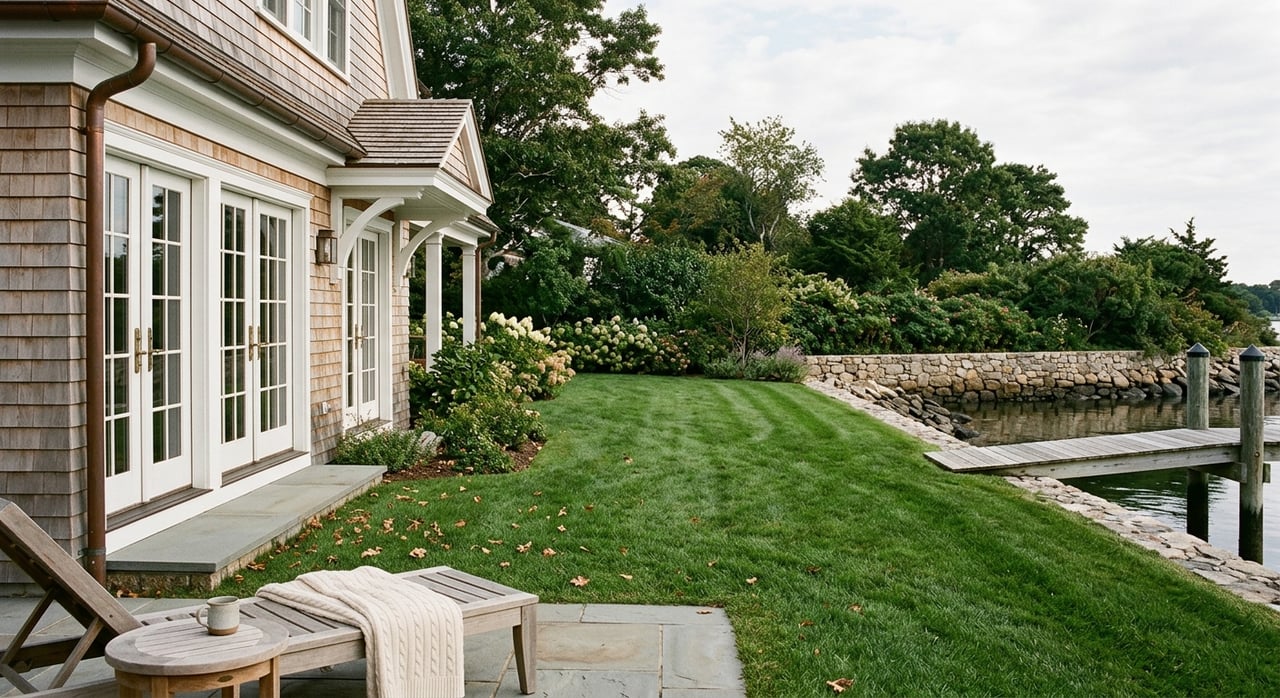
Not every waterfront home in Centerport offers the same experience. One property may have direct water frontage, another may offer elevated views, and another may be close to boating amenities without sitting directly on the shoreline.
Centerport’s housing story also reflects that variety. Historic examples range from early traditional homes like the Suydam House to large waterfront estate settings like Eagle’s Nest, now the Vanderbilt Museum. In practical terms, that means the local waterfront housing stock can include older North Shore homes, estate-style properties, varied lot shapes, and changing topography.
In a typical subdivision, homes may feel more predictable from lot to lot. In Centerport, waterfront and waterview properties can vary much more in slope, layout, shoreline condition, and access.
That matters because topography affects lifestyle. A hilltop or sloped lot may give you broader water views, while a lower direct-water lot may offer easier access to the shoreline. The tradeoff is that each setup can come with a different mix of privacy, exposure, maintenance, and permitting questions.
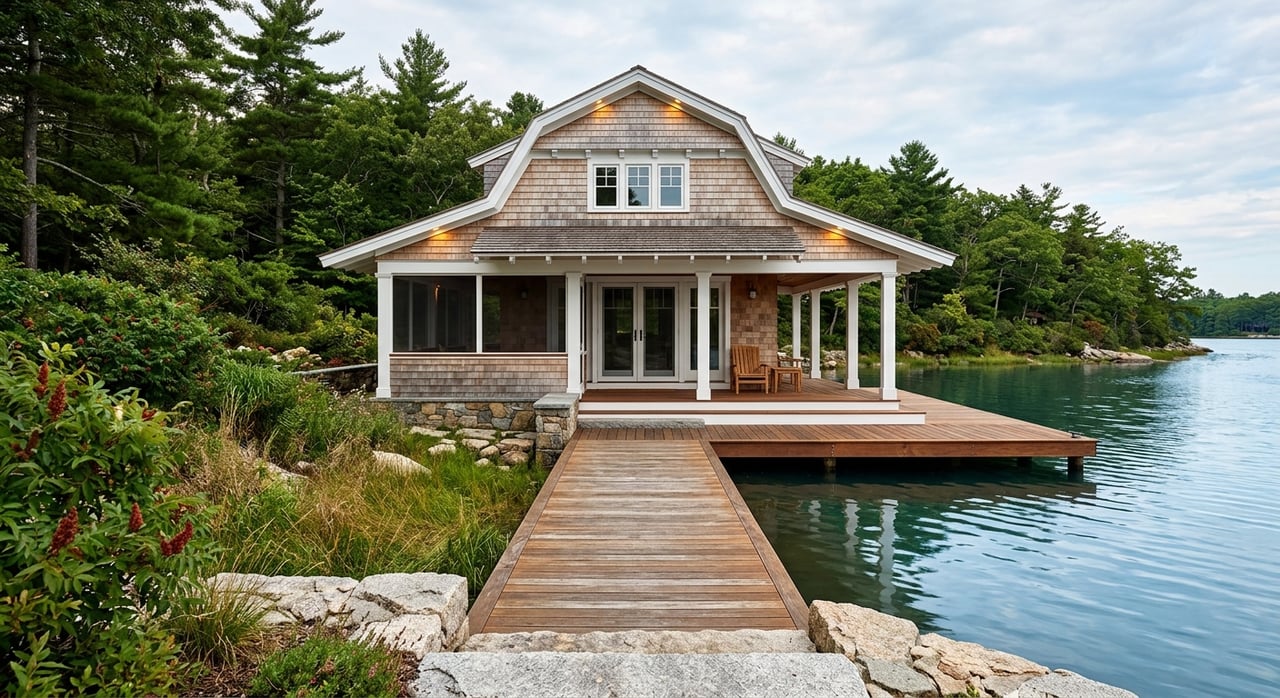
One of the biggest mistakes waterfront buyers make is assuming a water-facing home automatically includes boating convenience. In Centerport, you should always confirm whether the property comes with a dock, a mooring, marina access, or simply a view.
Those are very different things, both financially and practically. A beautiful harbor view may deliver the lifestyle you want, but if your goal is to keep a boat nearby, you need to know exactly how that access works before you move forward.
Before you get too attached to a property, ask:
These questions can save you time, money, and disappointment.
The Town of Huntington’s Maritime Services department handles mooring permits, kayak permits, marina slips, launch services, public docks, and navigation markers. The town’s current guidance lists online mooring permits at $40 for residents and $200 for nonresidents.
That sounds straightforward, but the bigger issue is often availability and logistics. Huntington maintains Halesite Marina, Mill Dam Marina, and Woodbine Marina, although Woodbine is currently out of service. The town also notes that larger marina slips can involve wait times averaging five to six years.
There are also public waterfront access points nearby, including public docks in Halesite with one-hour tie-up limits, as well as town boat ramps and fishing access. In addition, private-club access is part of the local boating picture. Centerport Yacht Club, for example, is a private waterfront club with guest moorings and reciprocal-club access.
For buyers, the key point is simple: do not assume boating access transfers automatically with the home. You want to verify whether access is private, permit-based, club-based, seasonal, or subject to waitlists.
This is one of those local details that can easily get missed. The Town of Huntington says moorings within 1,500 feet of incorporated village shorelines may require village-level compliance in addition to Town rules.
If you are buying a shoreline property, you should confirm whether the location triggers added local requirements. This is especially important if your decision depends on keeping a boat, installing equipment, or relying on an existing setup represented with the home.
Waterfront living in Centerport is not just about the house itself. It is also about how you plan to use the surrounding shoreline amenities throughout the year.
Centerport Beach is a seasonal town beach with summer lifeguards, kayak racks, tennis, volleyball, bocce, a pavilion, and a playground. The town also treats beach permits and small-boat racks as seasonal programs, which means access and availability may look different depending on the time of year.
Not every shoreline benefit is fully public. The Senior Beach House at Centerport Beach is open to Town of Huntington residents age 60 and older and includes waterfront access, kayak racks, picnic grounds, a pavilion, and other amenities.
That is a helpful reminder to verify who can use what, when, and under what rules. If you are counting on a beach pass, kayak rack, or small-boat program as part of your lifestyle plan, make sure you understand the eligibility and seasonality before you buy.
Waterfront beauty and weather exposure go together. Suffolk County says flood insurance is required in high-risk areas for federally regulated or insured mortgages, and the county recommends flood insurance more broadly as well.
The county also notes that storm surge zones are not limited to ocean-facing properties. For North Shore buyers, that matters because a harbor, inlet, or low-lying shoreline setting can still raise important insurance and preparedness questions.
As you compare homes, ask practical questions like:
Even if two homes have similar views, their risk profile and carrying costs may be very different.
Many buyers picture easy summer days by the water, and that is a real part of the appeal. At the same time, waterfront use can be affected by seasonal conditions.
Suffolk County has issued rainfall-related bathing advisories for Centerport Beach, and the county notes that enclosed embayments can experience limited tidal flushing after heavy rain. For you, that means day-to-day enjoyment may occasionally depend on weather patterns, timing, and local advisories.
In Centerport, many waterfront decisions come down to choosing what matters most to you. Some buyers want direct water access above all else. Others prefer elevated views, quieter positioning, or a greater sense of separation from seasonal activity.
A hilltop or sloped property may offer stronger sightlines and a dramatic setting. A home closer to direct access or club activity may simplify boating, but it can also bring more movement, more permitting questions, and a different privacy feel. There is no single right answer, just the right fit for how you want to live.
If you are serious about buying a waterfront home in Centerport, here are some of the most important questions to bring into your search:
These questions help you look past the romance of the setting and focus on how the property will actually function for you.
Centerport waterfront purchases are rarely one-size-fits-all. Two homes with similar price points can offer very different combinations of views, access, permits, insurance considerations, and day-to-day lifestyle.
That is why local experience matters so much. When you have a guide who understands waterfront property nuance, local permitting systems, and the character of North Shore housing, it becomes much easier to separate a beautiful listing from the right long-term fit.
If you are considering waterfront living in Centerport and want clear, honest guidance on what to look for, reach out to Jamie Marcantonio. She brings decades of North Shore experience, strong waterfront expertise, and the kind of responsive, hands-on support that helps you move forward with confidence.
Stay up to date on the latest real estate trends.
You’ll benefit from Jamie’s expertise in luxury and waterfront homes across Long Island, as she guides you with market knowledge, strategic pricing, and personalized service to make your buying or selling experience smooth and successful.
GET IN TOUCH TO LEARN MORE

157 E MAIN ST HUNTINGTON, NY 11743