
Selling A Waterfront Home In Lloyd Harbor: What To Know
May 21, 2026
May 21, 2026
Selling a waterfront home in Lloyd Harbor is rarely a standard listing. Buyers are not just looking at square footage and finishes. They are also evaluating shoreline access, flood exposure, permit history, privacy, and what they may or may not be able to do with the property in the future. If you want to sell with fewer surprises and stronger buyer confidence, it helps to know what matters most before you go on the market. Let’s dive in.
Lloyd Harbor is an incorporated village in the Town of Huntington on Long Island’s North Shore, and its coastal setting shapes how waterfront properties are valued and reviewed. Local waterfront policies emphasize low-density residential use, flood and erosion controls, and habitat protection. That means your home is being considered in a very specific local context, not as a simple substitute for an inland property.
In practice, waterfront sales here tend to be highly parcel-specific. A buyer may focus on your frontage, shoreline condition, access rights, views, elevation, and existing improvements far more closely than they would in a non-waterfront sale. Two homes with similar interiors can have very different value depending on their relationship to the water.
Recent public data points to a small, high-priced market with longer marketing times. As of March 2026, Redfin reported a median sale price of $2.9 million in Lloyd Harbor and 122 median days on market, while Realtor.com showed a median sale price of $3.17 million and 126 median days on market. Redfin’s waterfront page also showed 10 waterfront homes for sale at a median listing price of $3.65 million.
These numbers should be treated as directional, not as one perfect snapshot. Different platforms use different timeframes and methods. Still, the overall picture is clear: this is a thin market where buyers have time to be selective, so precision matters.
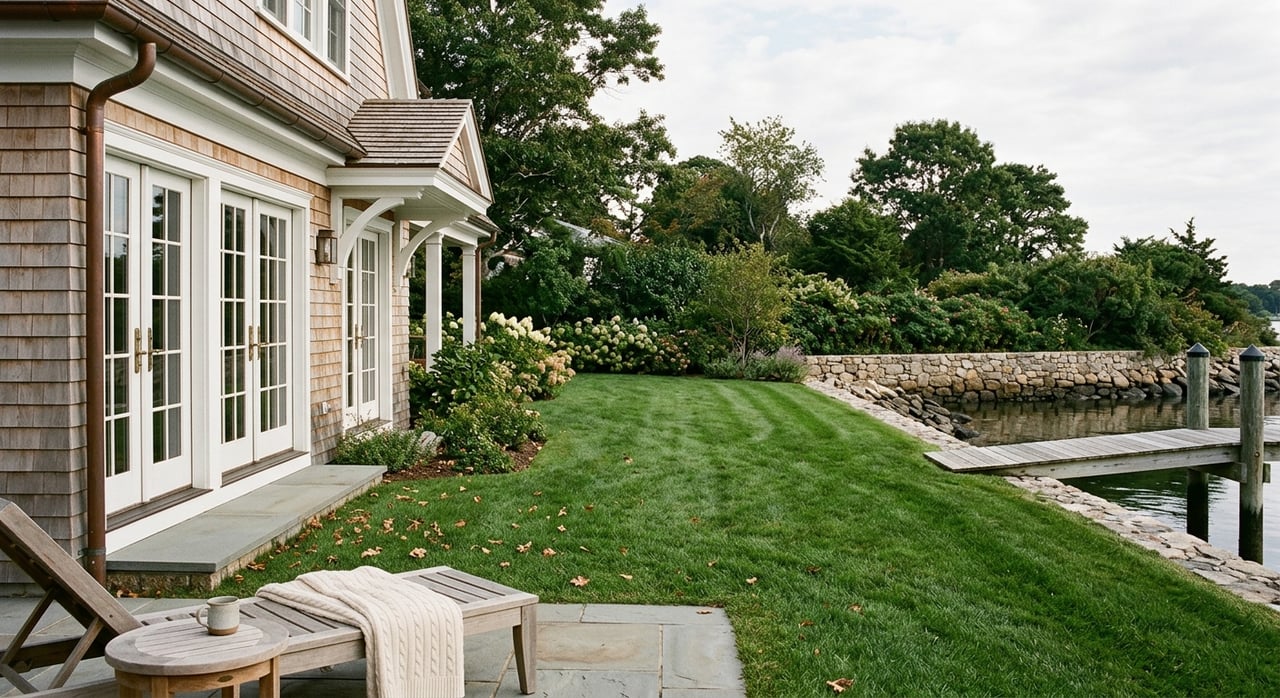
One of the biggest drivers of value is how your property connects to the water. Direct access, usable shoreline, and any deeded or shared access arrangements can all affect pricing and buyer interest. In Lloyd Harbor, these details are not minor line items. They are often central to the sale.
New York’s current property disclosure form specifically asks about leases, easements, rights to use roads or paths, and shared features with adjoining owners or associations. If your home includes any access arrangements, shared drive components, or waterfront use rights, have those records ready early.
Lloyd Harbor is known for its natural setting, privacy, and low-density residential character. That setting is part of the value story for many waterfront buyers. If your property offers a sense of seclusion, open space, or a strong coastal feel, that should be presented clearly and accurately in the marketing.
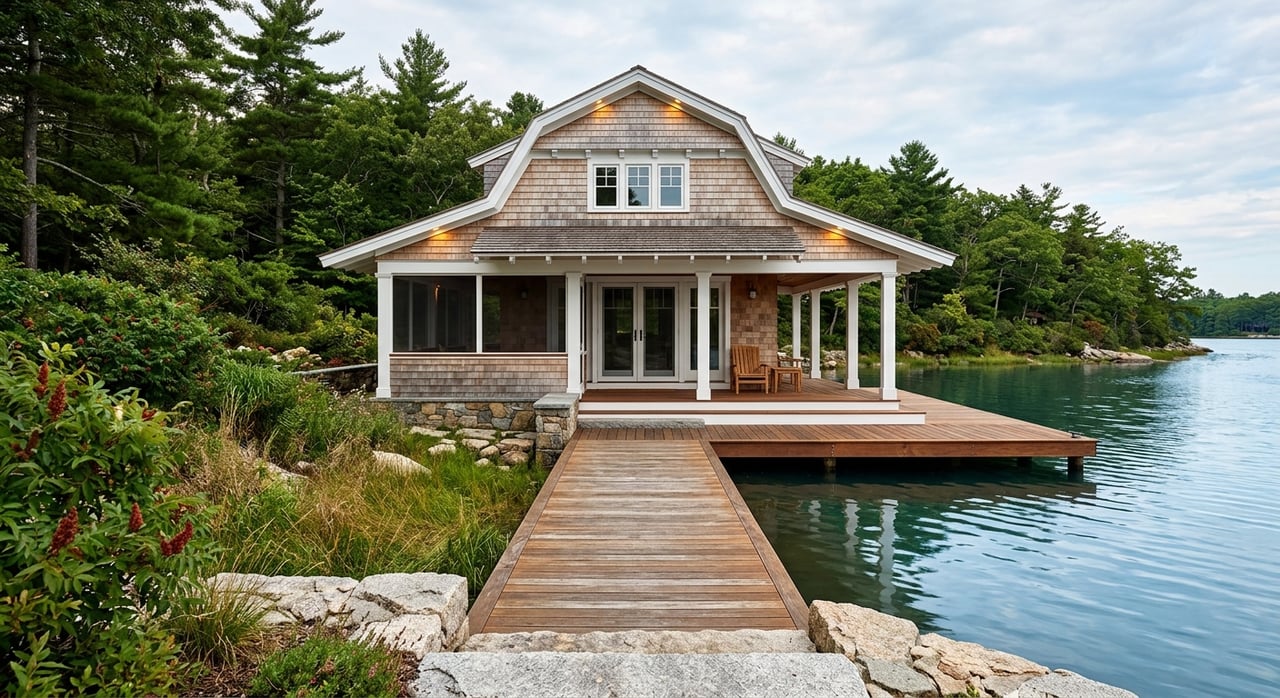
Bulkheads, docks, piers, seawalls, dredging, beach work, and some related site improvements can influence value in a major way. But buyers also want to know whether those features were properly permitted and maintained. A waterfront improvement with complete records typically inspires more confidence than one with unanswered questions.
For many sellers, flood-related questions are where the process becomes more detailed. Lloyd Harbor’s local waterfront policies note that the general flood-hazard area includes lands fronting on coastal waters, and construction in these areas can be subject to stricter requirements. V zones are treated more restrictively, and A-zone construction must be elevated and anchored.
FEMA identifies the Flood Map Service Center as the official source for flood maps. Those maps help lenders determine insurance requirements, and homes in high-risk flood areas with government-backed mortgages must carry flood insurance. Even when a current map looks manageable, New York’s disclosure form also notes that coastal properties may face increasing flood risk over time due to sea-level rise and more extreme storms.
This does not mean buyers will automatically walk away. It does mean they will want clear answers. The more organized you are on flood zone, insurance, elevation, and prior water issues, the easier it is for a buyer to evaluate the property with confidence.
In waterfront sales, permit history often becomes a key diligence item. The New York State Department of Environmental Conservation regulates many activities in tidal wetlands and adjacent areas, and coastal erosion rules can apply to shoreline structures and soil disturbance in coastal erosion hazard areas. In plain terms, work involving docks, bulkheads, seawalls, dredging, grading, beach nourishment, and even some septic-related improvements may need documentation.
DEC also warns property owners not to begin work before obtaining all required permits. If prior work was done without proper approvals, that can create friction later in a transaction. Buyers may worry about enforcement, future repair limits, or the cost of correcting old issues.
If you have added or repaired waterfront features over the years, gather the paper trail before listing. That might include permits, approvals, plans, invoices, and any maintenance records tied to the work. In a market like Lloyd Harbor, the records behind the improvement can be nearly as important as the improvement itself.
Beginning July 1, 2025, New York State requires the updated Property Condition Disclosure Statement form. Under the Property Condition Disclosure Act, sellers must deliver the statement before the buyer signs a binding contract. The law also allows as-is contract language, but that does not remove the disclosure obligation.
Your duty is based on your actual knowledge. For waterfront sellers, that makes organization especially important. If you know of flooding, water penetration, shoreline issues, wetlands concerns, shared-use arrangements, or prior repairs, those are the kinds of topics that may need to be addressed accurately.
A strong pre-listing file can make the process smoother for everyone. For a Lloyd Harbor waterfront home, it helps to assemble the core documents before photography, pricing, and showings begin.
Consider having these items ready:
This kind of preparation helps reduce back-and-forth once buyers begin asking detailed questions.
Suffolk County’s hazard mitigation plan for the Village of Lloyd Harbor identifies flood-prone or repetitive-loss locations including Beach Drive, Lloyd Harbor Road east of Fiddler’s Green, Shore Road, and Mallard Drive. The plan also references shoreline-renourishment and repetitive-loss mitigation efforts in the village.
If your property has experienced flooding, drainage issues, or mitigation work, clarity matters. Buyers do not expect every waterfront home to have a perfect history. They do expect straightforward answers that match the records.
Because Lloyd Harbor is a small market with relatively long days on market, pricing needs to be based on true waterfront comparables whenever possible. Broader Long Island comps may not reflect your shoreline rights, exposure, setting, or permit profile. Waterfront buyers tend to look closely at details that inland pricing models can miss.
Overpricing can be especially costly in a thin market. If buyers sense uncertainty around flood issues, access, or shoreline documentation, they may hesitate or move on. A clear pricing strategy paired with a strong documentation package can help your home stand out for the right reasons.
A strong waterfront listing package does more than look beautiful. It should also reduce uncertainty. In Lloyd Harbor, that often means combining polished presentation with concise, factual information about frontage, access, flood considerations, permit history, and maintenance.
Buyers will usually want to know:
When those answers are organized early, a listing tends to feel more credible and easier to pursue. That can support both pricing and momentum.
Selling a waterfront home in Lloyd Harbor is both a marketing exercise and a documentation exercise. The visual appeal matters, but so do the details behind the scenes. Buyers are often making a high-value decision in a market where no two waterfront parcels are exactly alike.
With thoughtful preparation, accurate disclosures, and a pricing strategy grounded in true waterfront factors, you can put your home in a stronger position from day one. That is especially important in a market where buyers have time to compare and ask hard questions.
If you are thinking about selling your Lloyd Harbor waterfront home and want clear, experienced guidance on pricing, preparation, and positioning, connect with Jamie Marcantonio.
Stay up to date on the latest real estate trends.

You’ll benefit from Jamie’s expertise in luxury and waterfront homes across Long Island, as she guides you with market knowledge, strategic pricing, and personalized service to make your buying or selling experience smooth and successful.
GET IN TOUCH TO LEARN MORE

157 E MAIN ST HUNTINGTON, NY 11743