How To Choose The Right Huntington Neighborhood
May 14, 2026
May 14, 2026
Wondering which Huntington neighborhood is the right fit for your life, budget, and daily routine? You are not alone. Huntington is not one single, uniform market. It is a collection of distinct hamlets and villages, each with its own feel, housing mix, price range, and access points. If you understand those differences early, you can narrow your search faster and make a more confident move. Let’s dive in.
The best Huntington neighborhood for you depends less on a label and more on your priorities. Some buyers want a lively downtown feel. Others want easier train access, a more manageable price point, beach access, or extra privacy.
That matters in Huntington because the town covers about 93 square miles and includes four incorporated villages, several well-known hamlets, five harbors, nine beaches, and three marinas. In other words, your day-to-day experience can change a lot from one pocket to the next.
Before you tour homes, make a short list of what matters most to you. That might include commute time, lot size, closeness to downtown areas, access to beaches or marinas, or the type of housing stock you prefer.
Townwide, Huntington has a very high owner-occupied housing rate at 88.7%, and about 81.2% of housing units are detached single-family homes. If you are looking for a traditional Long Island single-family home setting, many parts of Huntington align well with that goal.
Price is often the fastest way to narrow your options. In Huntington, values can shift quickly based on property condition, lot size, water access, and exact location, so it helps to treat pricing as directional rather than fixed.
A useful starting point is to think in ranges. That can help you focus on neighborhoods where your budget is more likely to match the homes available.
These ranges are based on current market snapshots from different sources, so exact figures may not line up perfectly. They are best used as a planning tool, not a hard rule.
Once you know your budget, the next step is understanding what each area tends to offer. Huntington works best when you compare neighborhoods by lifestyle, access, and housing character instead of only by price.
If you want a more downtown-oriented setting, Huntington Village and nearby Halesite are often top choices. Heckscher Park is a major local anchor, and official town materials identify Huntington as one of the town’s downtown business districts.
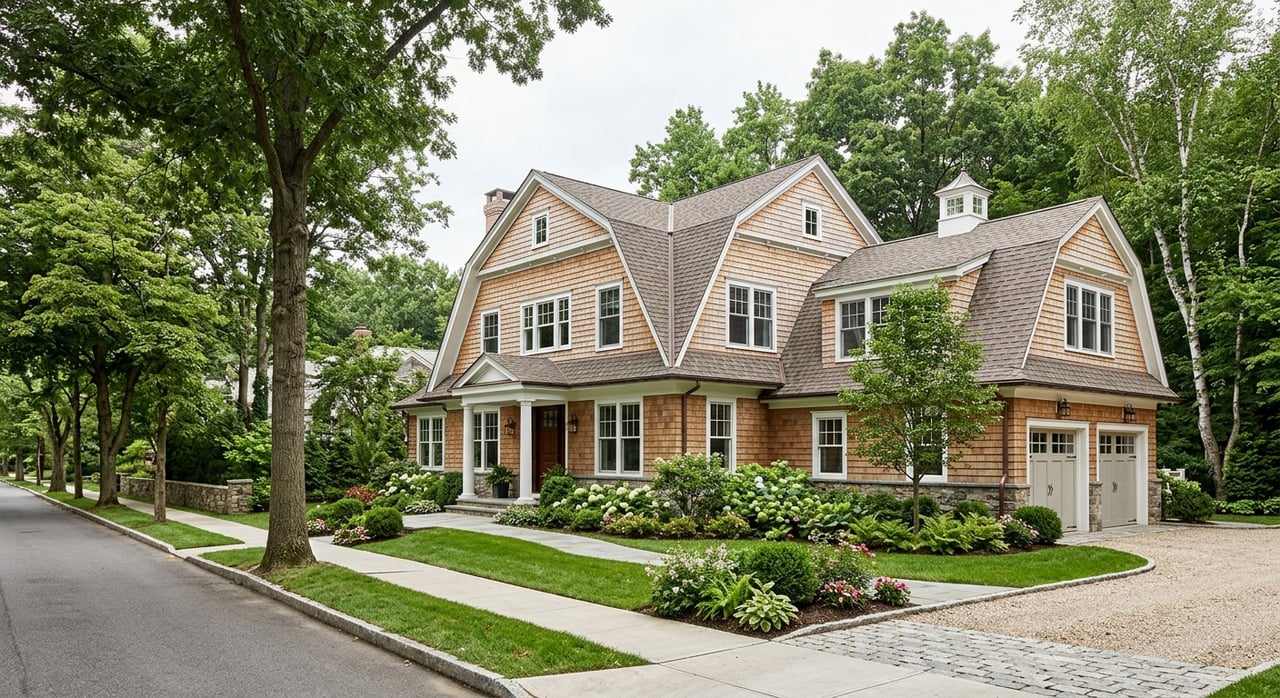
From a pricing standpoint, central Huntington often falls in the high-$800,000s to low-$1 million range, though it can move lower or higher depending on the property. This area can make sense if you want a more active village setting without giving up North Shore character.
For buyers balancing budget and access, Huntington Station and South Huntington often deserve a close look. Huntington Station has shown average home values around $619,000 and a median sale price around $662,500, while South Huntington has had a median sale price around $692,000.
These areas also stand out for practical transportation options. Huntington Station sits on the Port Jefferson Branch, and HART service connects this part of town to other key pockets, which can be helpful if commute convenience is high on your list.
Greenlawn and Centerport often appeal to buyers who want a North Shore setting in the middle of the market. Greenlawn has recently posted a median sale price around $760,000, while Centerport’s average home value has been around $895,452.
Both areas have a strong detached-home profile. Greenlawn also offers its own LIRR station, and HART routes connect Greenlawn and Centerport to Huntington Village and Huntington Station. Centerport adds shoreline appeal and town beach access, which can be a meaningful lifestyle factor.
Cold Spring Harbor tends to sit in the premium category. Recent data has placed average home value around $1,672,270, though sold examples have ranged from the high-$800,000s to $3.8 million.
This pocket combines scenic appeal with rail access on the Port Jefferson Branch. Nearby amenities include the Cold Spring Harbor ramp at Billy Joel Park as well as trails and parkland along the Route 25A corridor.
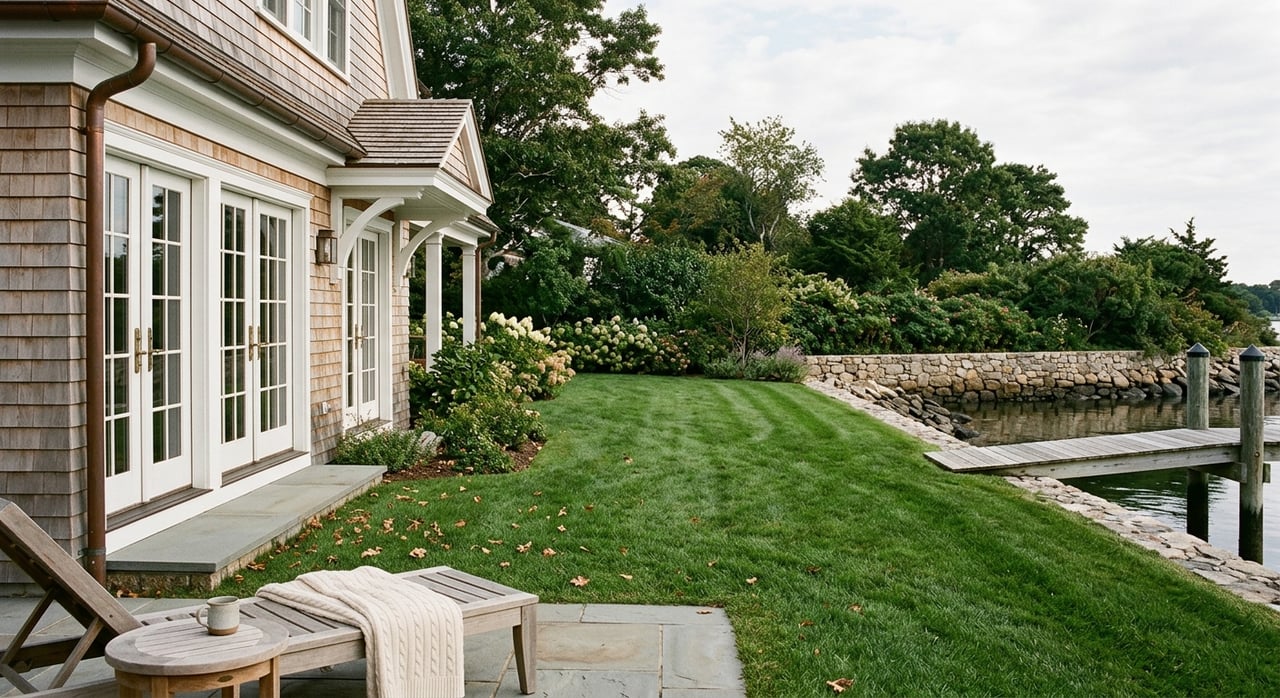
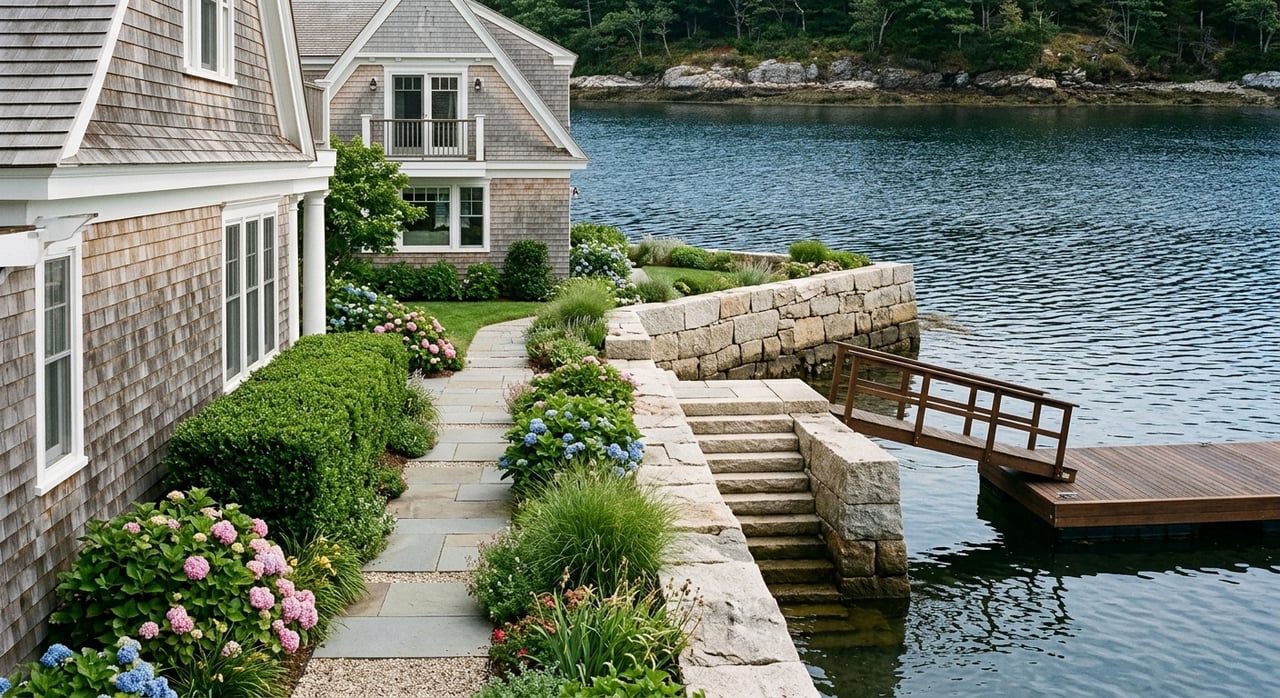
If your goal is waterfront, privacy, and larger lots, Huntington Bay and Lloyd Harbor are two of the clearest luxury choices. Huntington Bay highlights bay frontage, beach views, Crescent Beach, and local waterfront clubs, while Lloyd Harbor is known for lower density, quiet surroundings, and more restrictive permitting.
These areas usually trade some everyday convenience for space, privacy, and water access. Huntington Bay has shown a median sale price of about $3.11 million, and recent Lloyd Harbor examples have included multi-acre homes from roughly $1.9 million to $2.35 million and higher.
A neighborhood can look perfect on paper and still feel wrong if the commute does not work for you. In Huntington, train and bus access create a very real difference between areas.
The Port Jefferson Branch is a major factor here. Huntington Station is the Long Island Rail Road’s fourth busiest station east of Jamaica and serves as a key transfer point, while Greenlawn and Cold Spring Harbor also have Port Jefferson Branch stations.
If you want stronger commute convenience, focus first on pockets near:
Those routes connect Huntington Village, Huntington Station, South Huntington, Greenlawn, Centerport, Halesite, and Cold Spring Harbor. For many buyers, that makes these areas easier to manage for daily travel and errands.
If your priority is space, privacy, or direct water access, your ideal neighborhood may be farther from the most convenient transit spine. Huntington Bay, Lloyd Harbor, and other waterfront-focused North Shore pockets often appeal for exactly that reason.
That tradeoff is not good or bad. It simply comes down to what matters more in your daily life: quicker access or a more secluded setting.
Neighborhood choice is also about what surrounds you when you are not inside the house. In Huntington, downtown districts, waterfront access, and local recreation can shape your experience just as much as the home itself.
The town identifies Huntington, Cold Spring Harbor, and Greenlawn as downtown business districts. It also notes commercial corridors along Route 25, New York Avenue, and historic Route 25A, which can influence convenience and activity levels.
If you enjoy being near a central gathering area, Huntington Village is the clearest example. Heckscher Park and the Heckscher Museum of Art help define that part of town and give it a more established downtown identity.
Greenlawn and Cold Spring Harbor also offer their own downtown business district presence. If you want neighborhood character with practical services nearby, these areas may be worth comparing side by side.
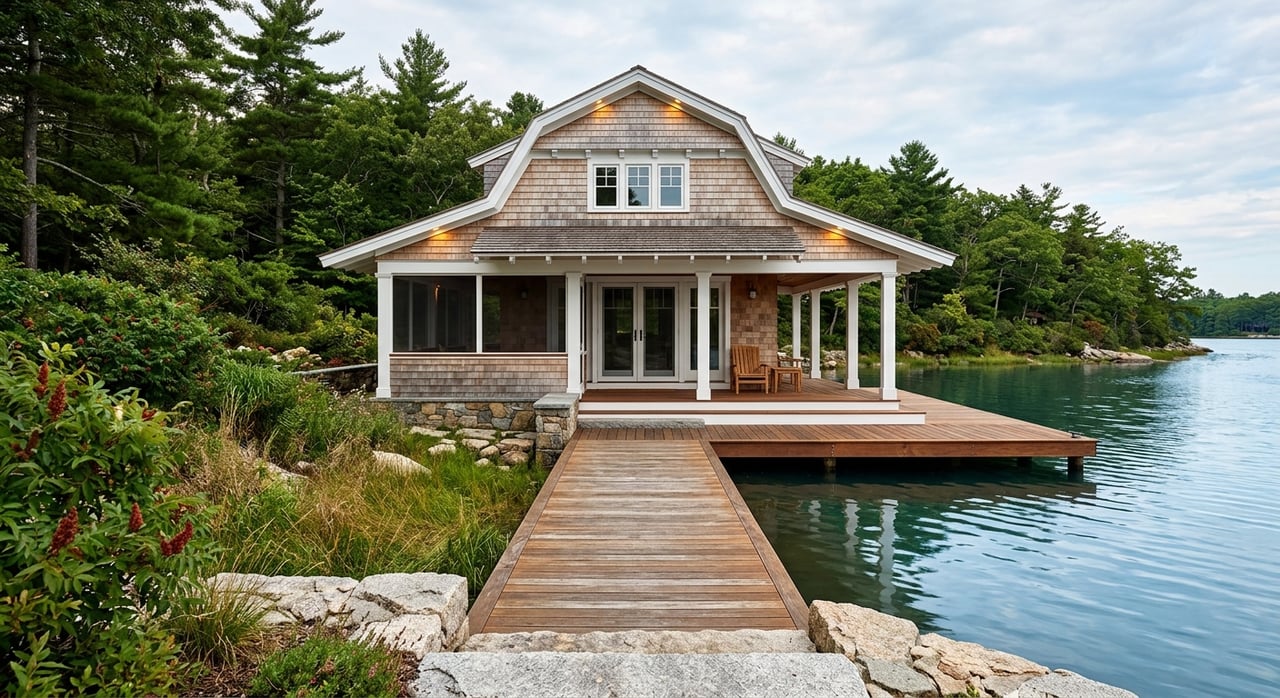
For buyers drawn to the coast, Huntington offers several meaningful shoreline differences. Town resources list Centerport Beach, Fleets Cove Beach, Crescent Beach in Huntington Bay, the Cold Spring Harbor Ramp at Billy Joel Park, and multiple town beaches and marinas across the North Shore.
If beach access, boating, or a water-oriented backdrop matters to you, that can quickly move Centerport, Huntington Bay, Cold Spring Harbor, or Lloyd Harbor higher on your list.
Two homes with similar prices can offer very different lifestyles if one sits on a compact lot near a downtown district and the other sits on a larger parcel in a quieter setting. Huntington’s neighborhoods vary quite a bit in housing stock and density.
Huntington Station is about 72.5% detached single-family housing with 11.5% attached housing, while South Huntington is about 89.1% detached single-family. Greenlawn is about 85.3% detached single-family, and Centerport is about 95% detached single-family.
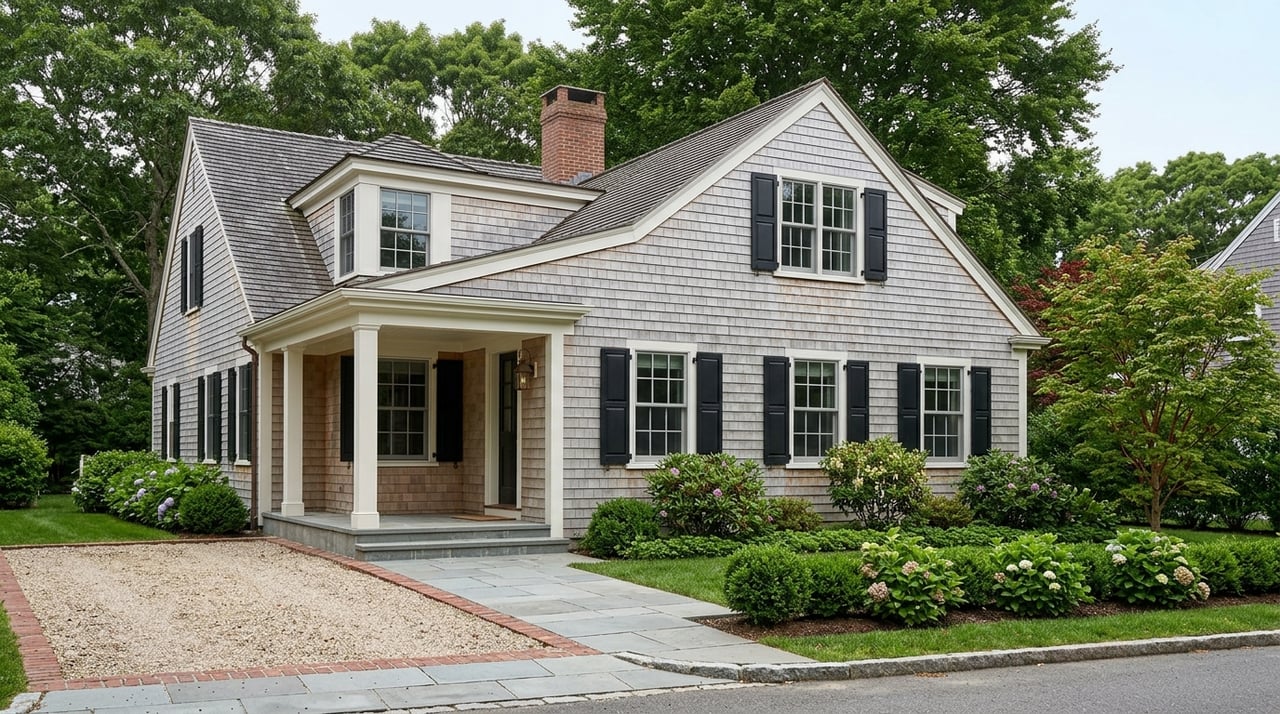
If you want a more classic detached-home environment, Greenlawn, Centerport, South Huntington, and many of the North Shore luxury pockets may fit better. If you want a more practical entry point with a somewhat broader mix of housing, Huntington Station may offer more flexibility.
This is where local guidance matters. The right match is rarely just about the town name. It is often about the micro-location, block feel, lot shape, and how the property fits your next chapter.
If you feel torn between several Huntington neighborhoods, simplify the process. Start by ranking your top five priorities from most important to least important.
A helpful list might look like this:
Once you do that, many choices become clearer. For example, if budget and commute come first, you may start in Huntington Station, South Huntington, or Greenlawn. If privacy and waterfront living come first, Huntington Bay or Lloyd Harbor may rise to the top.
Huntington is one of those markets where broad advice only gets you so far. The real difference often comes from understanding small pocket-by-pocket changes in setting, access, and value.
That is especially true when you are comparing central Huntington, village-adjacent areas, shoreline communities, and luxury waterfront locations. A neighborhood that looks similar online can feel very different once you understand its daily rhythm, housing mix, and tradeoffs.
Choosing the right Huntington neighborhood is really about aligning your home search with the life you want to live. If you want clear, honest guidance on where to focus based on your budget, priorities, and timeline, Jamie Marcantonio is here to help you make a confident move.
Stay up to date on the latest real estate trends.
You’ll benefit from Jamie’s expertise in luxury and waterfront homes across Long Island, as she guides you with market knowledge, strategic pricing, and personalized service to make your buying or selling experience smooth and successful.
GET IN TOUCH TO LEARN MORE

157 E MAIN ST HUNTINGTON, NY 11743